Azure is one of the leading cloud platforms used by businesses of all sizes to deploy and manage their applications and infrastructure in the cloud. With its vast range of services and features, Azure provides businesses with the flexibility and scalability they need to run their operations smoothly. However, managing cloud resources can be challenging, and ensuring optimal performance and security requires a comprehensive approach to monitoring. In this article, we’ll explore the importance of Azure monitoring and best practices to help you optimize performance and security in the cloud.
Why is Azure Monitoring Important?
Azure monitoring provides businesses with real-time visibility into the performance and health of their cloud infrastructure and applications. With Azure monitoring, you can proactively detect and resolve issues before they impact your business. Additionally, monitoring helps you optimize your cloud resources by identifying unused or underutilized resources, allowing you to right-size your infrastructure and reduce costs.
Here are some key benefits of Azure monitoring:
1. Improved Performance
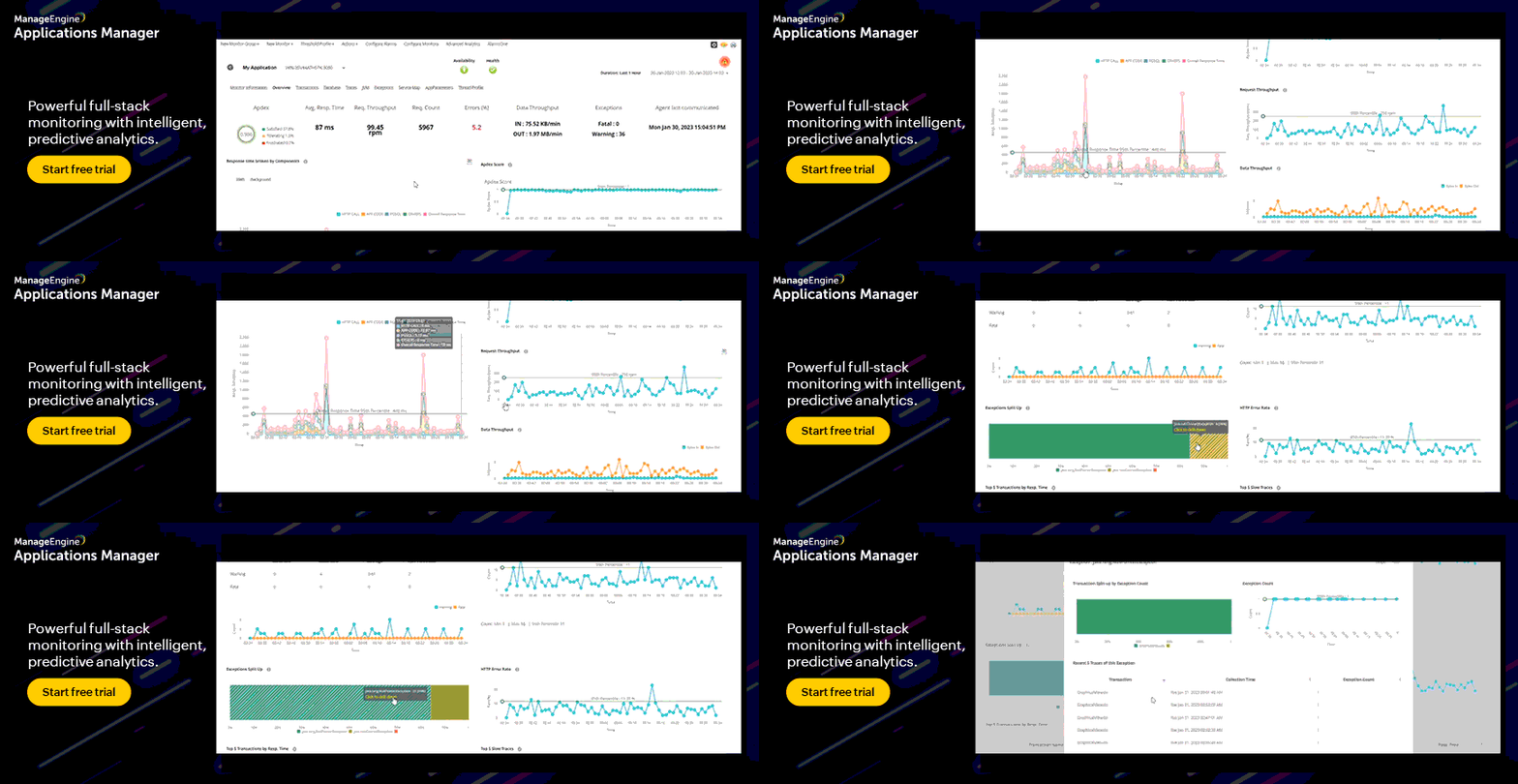
Azure monitoring helps you monitor the performance of your applications and infrastructure, allowing you to identify bottlenecks and other issues that may affect performance. By monitoring key performance indicators (KPIs), such as response time, throughput, and error rates, you can detect and troubleshoot issues that impact your application’s performance.
2. Enhanced Security
Security is a top concern for businesses when it comes to cloud adoption. Azure monitoring helps you monitor your cloud environment for potential security threats, such as unauthorized access, malware, and other vulnerabilities. By monitoring security logs and events, you can detect and respond to security incidents before they cause damage.
3. Better Cost Management
With Azure monitoring, you can track the utilization of your cloud resources and identify any unused or underutilized resources. This allows you to right-size your infrastructure and reduce costs.
Best Practices for Azure Monitoring
Now that we’ve explored the importance of Azure monitoring let’s take a look at some best practices to help you optimize performance and security in the cloud.
1. Define Your Monitoring Strategy
Before you start monitoring your Azure environment, you need to define your monitoring strategy. This includes identifying what you need to monitor, setting up monitoring tools and alerts, and defining who will be responsible for monitoring and responding to issues.
2. Monitor Key Performance Indicators
Monitoring key performance indicators (KPIs) is crucial to ensure optimal performance of your Azure environment. Some important KPIs to monitor include response time, throughput, and error rates. By monitoring these KPIs, you can identify issues that may impact the performance of your applications and take corrective action.
3. Monitor Security Logs and Events
Monitoring security logs and events is essential to detect and respond to security incidents in your Azure environment. Azure provides a range of security tools and features that can help you monitor your cloud environment for potential security threats.
4. Use Automation
Azure provides a range of automation tools that can help you streamline monitoring and management tasks. By automating monitoring tasks, you can reduce the risk of human error and ensure consistent monitoring across your Azure environment.

5. Leverage Third-Party Monitoring Tools
While Azure provides a range of monitoring tools and features, third-party monitoring tools can provide additional capabilities and insights. Consider using third-party tools to supplement your Azure monitoring strategy and enhance your monitoring capabilities.
Conclusion
Azure monitoring is essential for optimizing the performance and security of your cloud environment. By monitoring key performance indicators and security logs and events, you can detect and respond to issues before they impact your business. Additionally, by right-sizing your infrastructure and identifying unused resources, you can reduce costs and optimize your cloud resources. By following best practices for Azure monitoring, you can ensure that your cloud environment is running smoothly, efficiently, and securely.